 For up to date information on the FrogWatch program, please email: [email protected].
FrogWatch Citizen Science Program
You can contribute to amphibian conservation in your community! DOEE FrogWatch volunteers collect and submit data on calling frogs and toads at streams, ponds, and wetlands in and around the District. These important data are compiled in a national database where professionals and members of the general public alike can explore trends in frog and toad breeding across space and time.
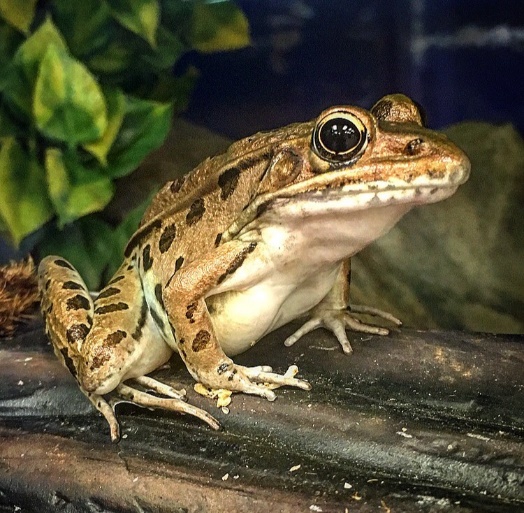
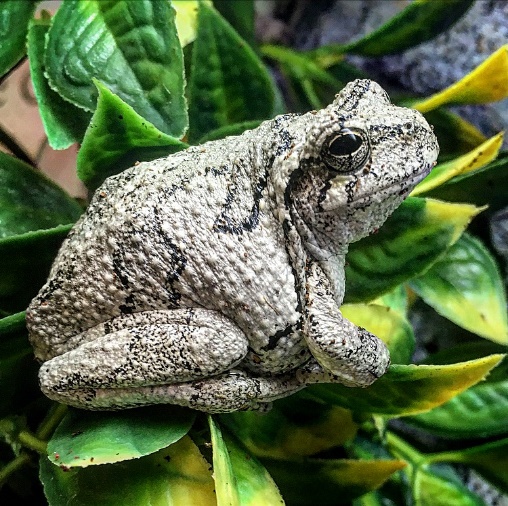
Frogs and toads are amphibians that live in and around aquatic habitats. They are sensitive to pollution and their presence can act as an indicator of a healthy environment. Amphibians also have important roles in the food web, controlling insect populations and providing food for other animals. As a member of the DOEE FrogWatch Chapter, you will be a citizen scientist who helps gather supplemental information that can support important efforts like the District of Columbia Wildlife Action Plan, Habitat Restoration Program, Wetland Mapping and Registry Project, DC Environmental Literacy Plan, and aquatic resources education in the District.
 New Volunteers
Before participating in their first FrogWatch field monitoring session, new volunteers are strongly encouraged to complete both the Akron Zoo FrogWatch Volunteer Training and watch DOEE's FrogWatch Online Orientation video. Volunteers seeking additional guidance or clarification on FrogWatch monitoring protocols are encouraged to contact [email protected] for support.
Volunteer Commitments
Prospective FrogWatch Chapter Volunteers should:
- Have an interest in frogs and toads
- Commit to learning how to recognize frogs and toads by their unique breeding calls
- Be willing to conduct listening visits after sunset at a wetland or stream site (Preview the protocol)
- Complete a course to learn how to register or adopt a monitoring site, recognize species, and collect and submit data.
- Be prepared to submit data to the online national online database
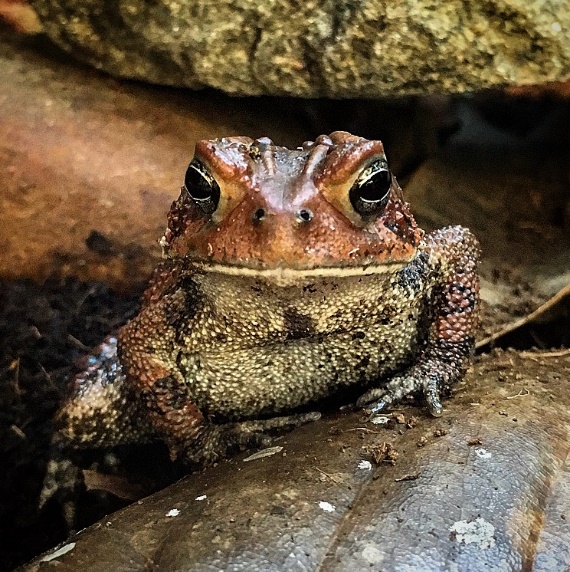 Volunteers are encouraged to independently locate stream/wetland sites convenient to them to monitor.
Returning Volunteers: Welcome Back
Thank you for your commitment to monitoring the District’s frog and toad populations and associated aquatic habitats! Because you received training previously, we hope that you will continue to lend your time and talents to this year’s monitoring. Did you received training but did not monitor in previous years? No problem! We are pleased to have your participation this season.
No additional training is required for previously trained volunteers. Volunteers are strongly encouraged to continue visiting previously registered sites in order to compile long-term data at individual locations.
What have we learned from your monitoring? Read the annual data summaries (attached below) and discover more about Habitat Restoration in the District. Please note that citizen science data and results are subject to ongoing review and revisions and should be treated as provisional.
This citizen science program is geared towards adult participation. Youth may participate in data collection alongside a trained parent/guardian using the resources distributed as part of the training sessions. Training sessions provided by DOEE and Living Classrooms are only offered to adults (18+). Visit the Aquatic Resources Education Center homepage to learn about programs for families and students.
FrogWatch Meeting Dates
- March 19
- April 21
- May 19
- June 25
- July 21
- August 20
- Find information about our Kingman + Heritage Islands field monitoring sessions
- Thursday, February 20, 2025 - Frog Watch Orientation Video
For more information email [email protected].
DOEE FrogWatch Monitoring Resources
- Review the FrogWatch USA Monitoring Protocol
- Download a DOEE FrogWatch Observation Datasheet (attached below)
- Listen to calls of the Frogs and Toads of Montgomery County, Maryland hosted by the Montgomery County Dept. of Environmental Protection
- Practice identification skills with the USGS Frog Call Look Up and Quiz