
How does DOEE tackle trash?
Trash in Our Neighborhoods Becomes Trash in Our Rivers
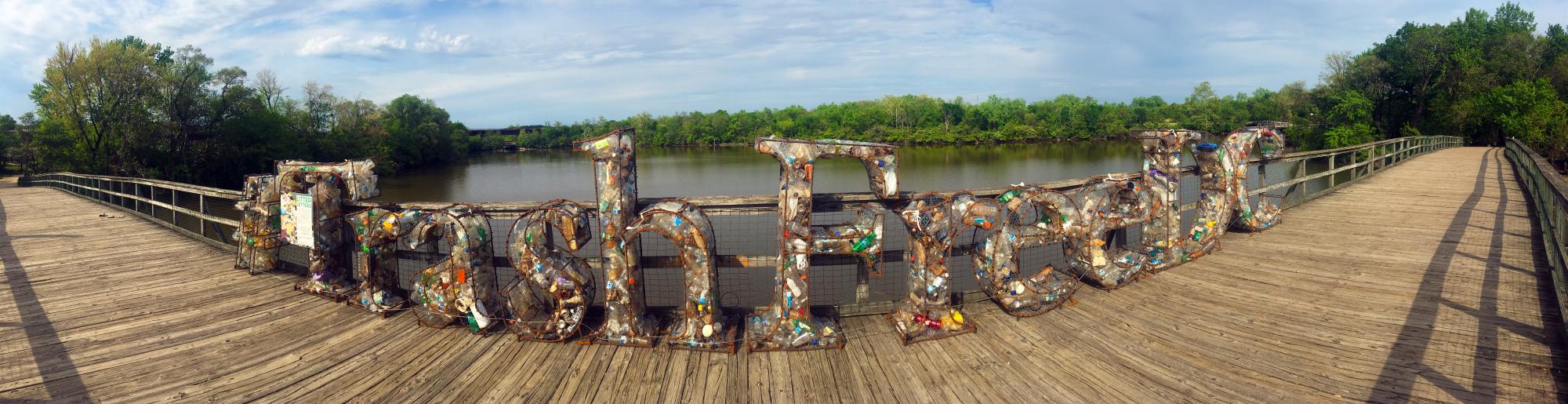
Litter on sidewalks, streets, parks, and playgrounds doesn’t stay put. Every time it rains, stormwater carries bottles, wrappers, straws, and other debris directly into storm drains that empty into our local streams and rivers. In the Anacostia River watershed, home to more than one million residents across DC and Maryland, trash is one of the most visible and persistent pollutants.
Policy and Enforcement | Education | Cleanups and Community Action
Trash Capture | Monitoring, Research, and Partnerships
Policy, Education, Cleanups and Community Action, Trash Capture, and Partnerships
Policy and Enforcement
DC has some of the strongest trash‑reduction policies in the region, many informed by the 2008 Anacostia River Trash Study, which identified single-use plastic bags as a major pollution source. Key laws and policies include:
-
 Bag Law: 5‑cent fee on disposable bags
-
Foam Ban: Prohibits expanded polystyrene food service ware
-
Food Service Ware Requirements: Requires compostable or recyclable products; bans plastic straws and stirrers in some instances.
-
Zero Waste Omnibus Amendment Act: Includes the Utensils‑by‑Request requirement
-
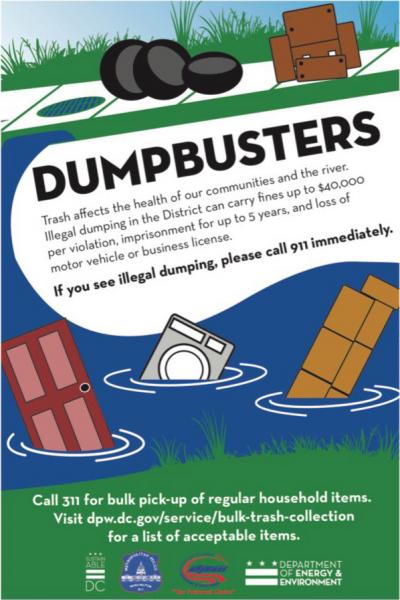
DOEE also partners with MPD and DPW through the DumpBusters Illegal Dumping Enforcement Program to investigate and address illegal dumping across the District.
 Education
Human behavior is a major driver of trash pollution. DOEE invests in programs that build awareness and shift norms:
-
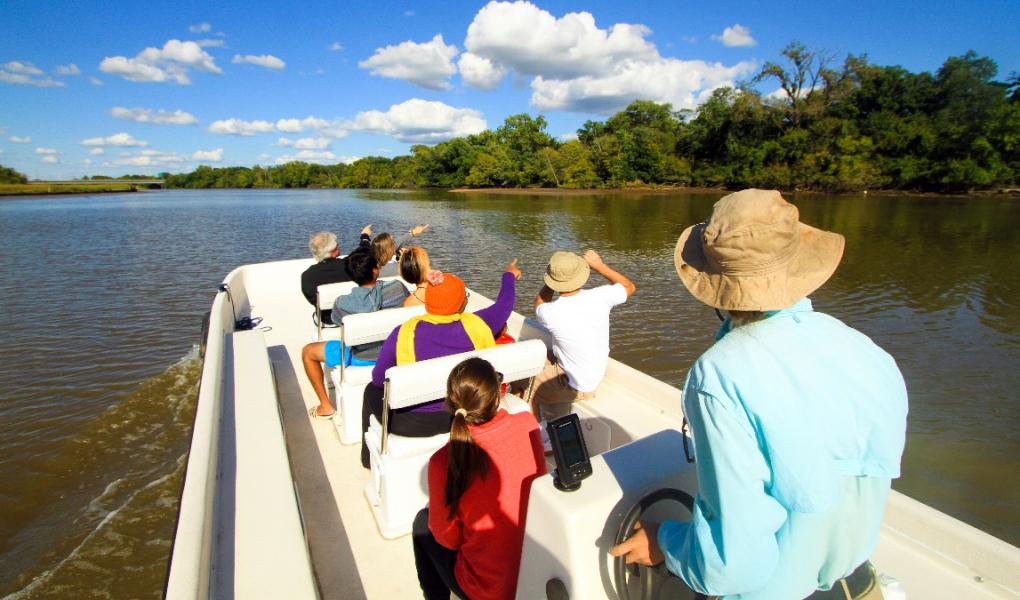
Meaningful Watershed Educational Experiences (MWEEs): Multi‑day watershed learning for students, including fieldwork and action projects
Cleanups and Community Action 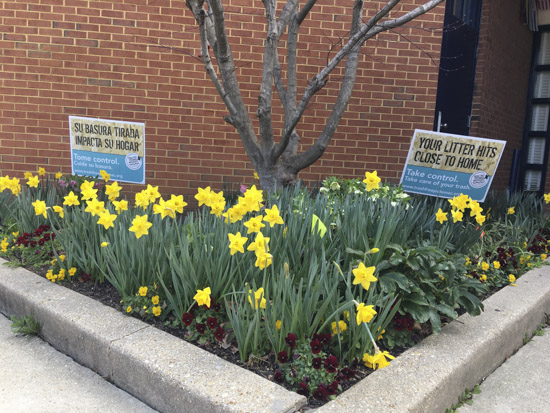
Residents play a critical role in keeping neighborhoods and waterways clean. DOEE funds and supports a range of community‑based cleanup and stewardship programs:
-
Trash Free Communities Grant to Ward 8 Woods: Supports neighborhood‑level education and cleanup initiatives
-
Parks Maintenance Grants fund legacy trash removal and green infrastructure maintenance
-
The Kingman Rangers Program incorporates daily trash removals and community cleanups into its larger green economy workforce development program.
-
Residents can also organize their own cleanups through DPW’s Helping Hands program or adopt a block through the Office of the Clean City.
-
Local partners host cleanups for Earth Day and throughout the year. Individuals can lead their own cleanups; find out how!
Residents can also organize their own cleanups through DPW’s Helping Hands program or adopt a block through the Office of the Clean City.
 Trash Capture
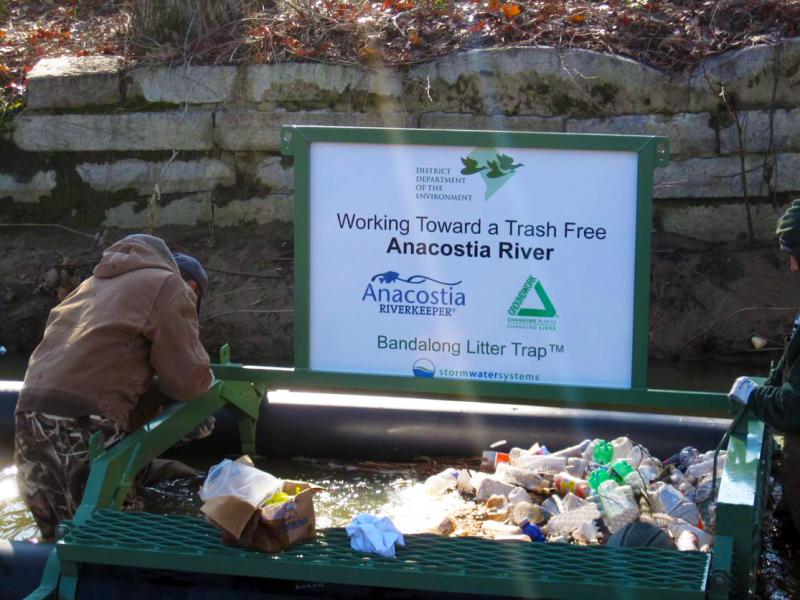
Since 2009, DC has installed nine trash traps in the Anacostia watershed, collectively capturing more than 70,000 pounds of trash and debris. DOEE has funded community partners to maintain and monitor these devices using stormwater fee revenue and Bag Law funds.
Additional trash‑removal programs include:
-
DC Street Sweeping Program: Targets trash “hotspot blocks”
-
Clean Teams Program: Employs residents to clean business corridors, removing millions of pounds of trash annually
-
DC Water Skimmer Boats: Remove hundreds of tons of floating debris from the Anacostia, Potomac, and Washington Channel
Monitoring, Research & Partnerships
DC is one of the few jurisdictions in the nation with a Total Maximum Daily Load (TMDL) for trash, setting enforceable pollution‑reduction targets.
DOEE collaborates with regional and federal partners on:
- Community science litter data from cleanups; DOEE provides a litter data card for cleanups in DC!
-
The Chesapeake Bay Program's Plastic Pollution Action Team
-
Annual in‑stream trash monitoring at 13 sites, collecting count and weight data to track trends and evaluate progress
For more information on research and monitoring, contact Julia Wakeling ([email protected]). For trash capture inquiries, contact James Woodworth ([email protected]). For any other questions, contact [email protected].